Breaking Barriers: The Power of Men of Color in Mental Health and Mentorship
AW
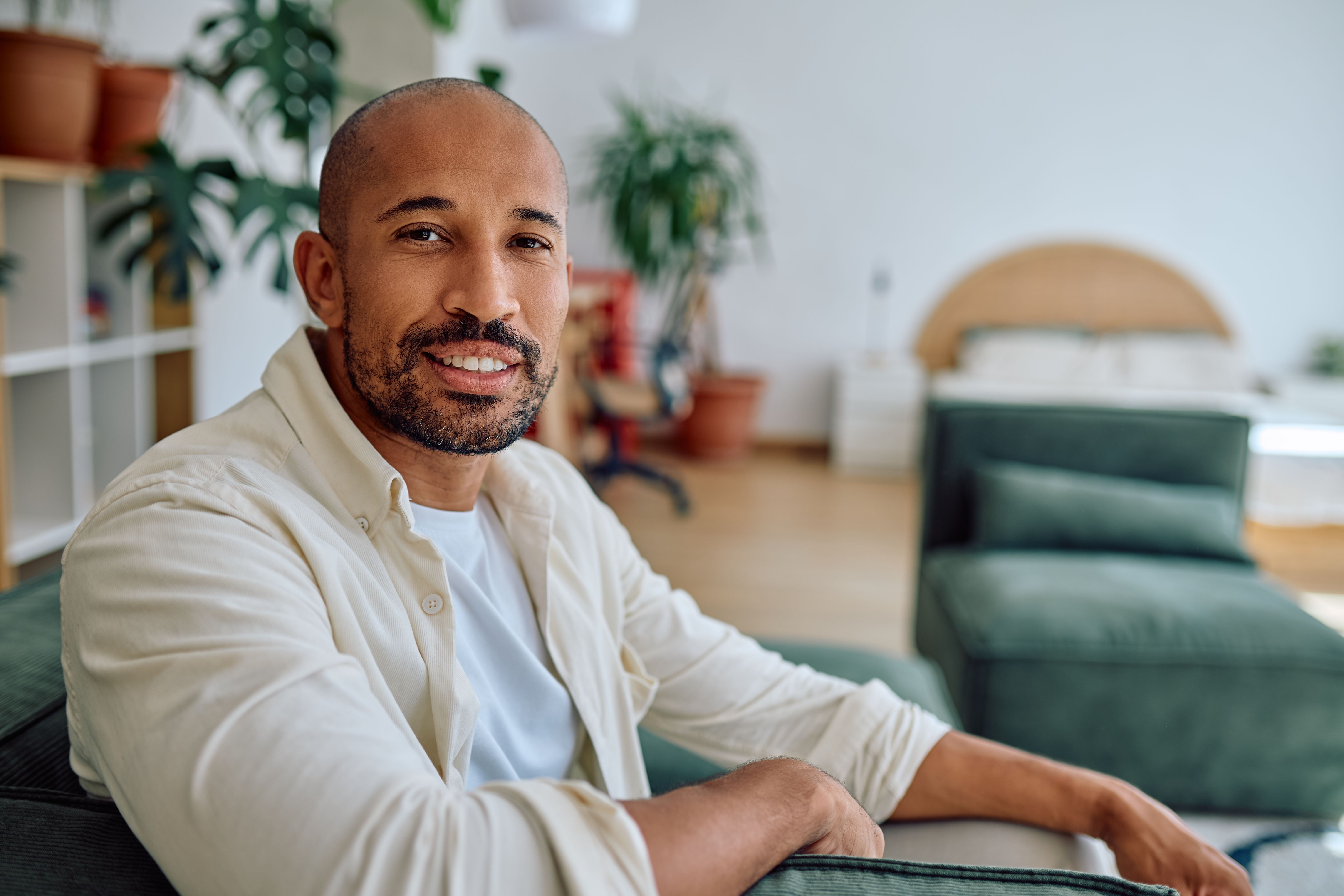
Imagine sitting across from someone who just gets it. Not because you had to explain every detail of your life, but because they’ve walked a similar path. For men of color, finding a therapist or mentor who understands their culture, struggles, and experiences can change everything. These relationships go beyond advice or healing. They create space to be honest, vulnerable, and fully yourself without judgment.
For a lot of men of color, asking for help doesn’t come naturally. Therapy can feel uncomfortable. Mentorship can feel unnecessary. Pride gets in the way, but that pride was built out of survival. For generations, our communities have had to be strong in the face of racism, discrimination, and constant pressure. Many of us were taught to push through pain, stay quiet, and handle problems on our own. Vulnerability was seen as weakness because life didn’t always allow room for softness.
But real strength is knowing when you need support. It’s being able to say, “I deserve better for myself.” Asking for help isn’t giving up. It’s choosing growth. Therapy and mentorship give men of color a chance to unpack years of pressure, trauma, and expectations that often go unspoken.
A therapist who understands those experiences can help make sense of the emotional weight many men carry every day. They can help unpack generational trauma, identity struggles, family expectations, and the exhaustion that comes from constantly having to prove yourself. More importantly, they can help men heal while learning healthier ways to move through life.
Mentors bring another layer of support. They offer guidance through lived experience. Whether it’s career advice, relationships, fatherhood, or simply learning how to navigate life with balance, mentors remind us that we don’t have to figure everything out alone. For many men of color, seeing someone who looks like them succeed without losing themselves can be powerful. It breaks stereotypes and expands what success can look like.
When therapy and mentorship work together, the impact can be life changing. Therapy helps with the internal work: healing, processing emotions, and rebuilding confidence. Mentorship helps with the external side: applying those lessons in everyday life, making decisions, and building a future with intention. One helps you heal. The other helps you grow.
Too many men of color were taught that carrying everything alone is part of being a man. That they have to stay strong for everyone else while silently struggling themselves. But there’s strength in opening up. There’s power in connection. Nobody is meant to carry life alone.
So ask yourself: Who’s in your corner? Who are you learning from? And who are you pouring into?
If you’re in a position to mentor someone, step up. Share your story. Be the person you needed when you were younger. And if you’re struggling, know that asking for help is not weakness. It’s one of the strongest things you can do.
Representation matters. Support matters. And men of color deserve spaces where they can heal, grow, and thrive unapologetically.